
Overview: A Sector at a Turning Point
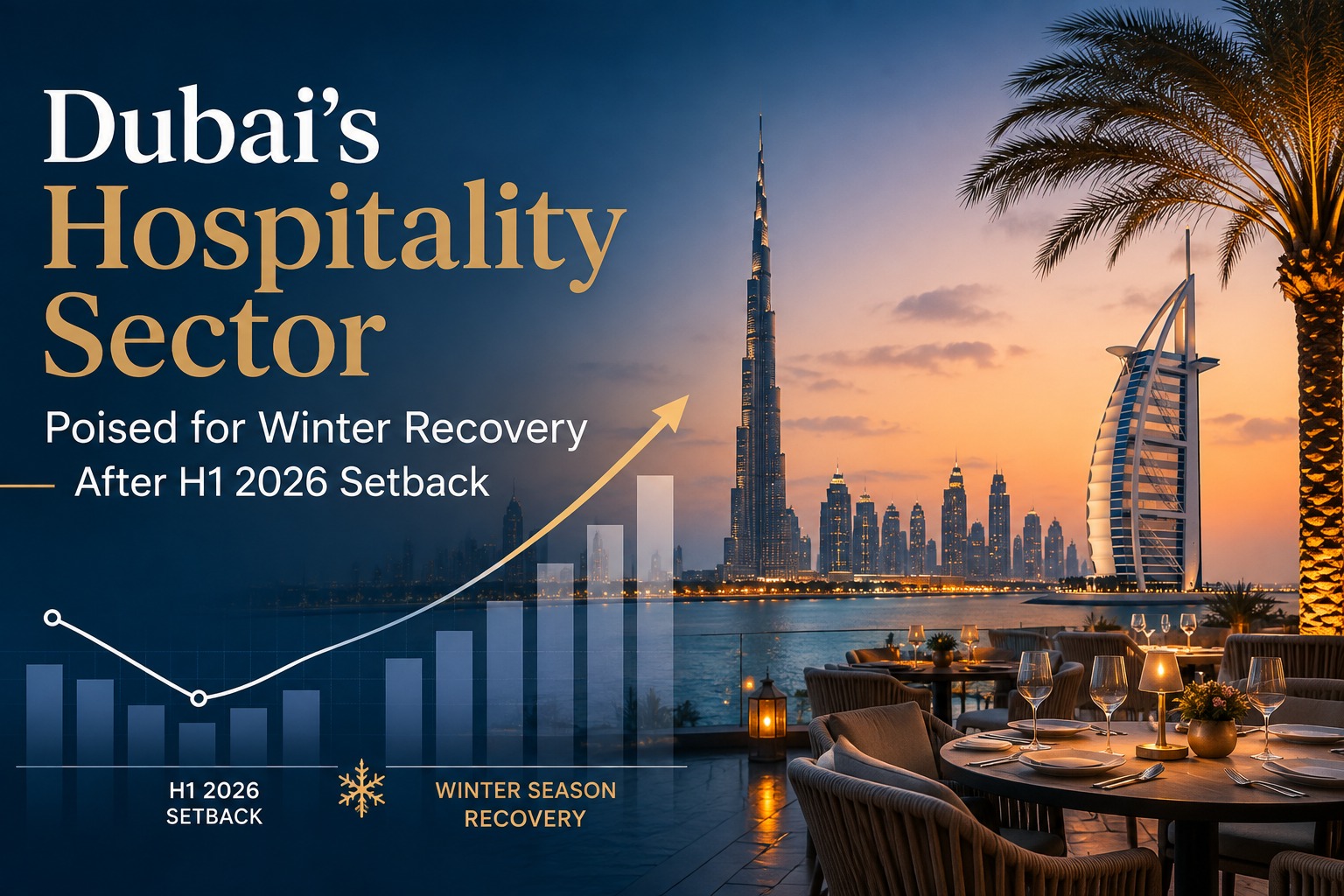
Dubai’s hospitality sector is getting ready for a gradual recovery starting in the final quarter of 2026, with the upcoming winter high season seen as a crucial moment to turn things around after a tough first half of the year. A major report from property consultant Cavendish Maxwell provides deep insights into where the industry stands right now. The report reveals that Dubai’s hotels faced significant challenges earlier this year due to regional airspace disruptions caused by conflicts and flight suspensions. These issues led to a sharp drop in international visitors and made life difficult for everyone in the tourism sector. But here’s the good news – key indicators are now showing that we’ve passed the worst of it. The numbers are expected to climb back up by the end of the year, and industry experts are feeling increasingly optimistic about what lies ahead.
The Cavendish Maxwell report has quickly become essential reading for investors, hotel operators, and tourism authorities. Its data-driven findings are helping shape strategies across Dubai’s hospitality ecosystem. Dubai has always been a city that knows how to bounce back, and this moment is no exception. The emirate’s legendary resilience is on full display as the recovery gains momentum. The winter season represents more than just a busy period – it marks the beginning of a fresh chapter filled with growth and new opportunities. With its outstanding infrastructure, strong government backing, and a private sector that constantly pushes boundaries, Dubai is proving once again why it remains one of the world’s most desirable travel destinations. You can feel the optimism everywhere – from the busy lobbies of downtown hotels to the peaceful beachfront resorts along Jumeirah. Everyone is getting ready for what promises to be an incredible winter season.
The Numbers Tell the Story: H1 Setback vs. Winter Forecast
The statistics paint a clear picture of where things stand. Citywide hotel occupancy for the first half of 2026 was 56.4%, but the full-year forecast is looking much better at between 60.4% and 66.2%. The Average Daily Rate (ADR) in the first half was AED 701, though the projected full-year average is expected to settle between AED 600 and AED 675. DXB passenger traffic for the first five months reached 26.6 million, yet the year-end forecast is between 67.6 and 79.3 million. These numbers tell us something important – while the first half was tough, the second half is shaping up to be much stronger. The gap between the first half and the projected year-end figures represents a significant recovery path that everyone in the industry is working hard to achieve.
Revenue managers across Dubai are fine-tuning their pricing strategies to find the right balance between filling rooms and maintaining healthy rates. They know that winter is when they can command premium prices. The positive momentum building in the second half of 2026 is proof that the strategies put in place by both government and private sector are working. The projected jump in passenger traffic at DXB is especially encouraging because it signals a strong return of international travelers who are eager to experience everything Dubai offers. This renewed interest goes beyond simple recovery – it’s about rediscovery. It’s an opportunity for Dubai to showcase its newest attractions and experiences to a worldwide audience. The numbers are heading in the right direction, and with each passing day, confidence continues to grow.
Key Drivers Fueling the Winter Rebound
Several factors are coming together to drive the winter rebound. Restored air connectivity is absolutely essential for recovery. Long-haul international airlines are steadily bringing back their route capacities, and regional carriers like Emirates are rebuilding their networks. This rebuilding process is critical for reconnecting Dubai with global travelers. It hasn’t been easy – airlines have had to carefully match their capacity to projected demand while staying flexible. Emirates, as Dubai’s flagship carrier, has taken a leadership role in this recovery. They’re progressively adding flights on key routes and reintroducing services to destinations that were temporarily suspended. Every new route that opens up brings more visitors to Dubai, and the momentum is building.
Diversified core markets are also fueling the recovery. Interest is picking up from key international markets including the UK, Russia, Central Asia, and India. The Russian market is particularly active for winter bookings. Travelers from Central Asia are contributing to the recovery, and India remains a vital source of tourism for Dubai. This diversification strategy has proven resilient because it reduces dependence on any single market and spreads risk across different regions. The strength of these source markets reflects Dubai’s enduring appeal across cultures and continents. British travelers love the city’s cosmopolitan vibe and sunny winter weather. Russian visitors appreciate the luxury shopping and entertainment options. Central Asian families are increasingly choosing Dubai for its family-friendly attractions. And Indian travelers continue to see Dubai as a natural extension of their travel dreams. It’s this universal appeal that makes Dubai so special.
Government Intervention: AED 2.5 Billion Stimulus Package
The UAE government has stepped in with massive support to cushion the blow. They released AED 2.5 billion ($681 million) in relief packages. These packages included the suspension of the Tourism Dirham, and municipal fees on hotel and restaurant bills were also temporarily suspended. These measures are designed to stimulate traveler demand by making stays more affordable. The suspension of the Tourism Dirham directly reduces the cost of a stay in Dubai, and removing municipal fees from bills helps lower overall traveler costs. The financial relief provided by these measures is significant – they directly impact how much visitors pay, making Dubai more competitive against regional rivals.
Beyond the fee suspensions, airlines and operators are extending flexible travel incentives. Strong regional packages are being offered to rebuild visitor confidence. The government’s quick action helped mitigate the downturn, and these flexible incentives are designed to rebuild long-term confidence. The UAE leadership has shown a commitment to the tourism sector that goes beyond short-term fixes. It’s a clear signal that hospitality remains a cornerstone of the nation’s economic diversification strategy. This proactive approach has been widely praised by industry observers and has set a benchmark for how governments can support vital sectors during challenging times. The relief measures haven’t just provided immediate financial support – they’ve also sent a powerful message to travelers worldwide that Dubai is open, welcoming, and ready to deliver an exceptional experience.
Uneven Recovery: Mid-Market Thrives, Luxury Adapts
The recovery across Dubai’s 152,139 hotel rooms is happening at different speeds, but this diversity is actually a strength rather than a weakness. Mid-market hotels acted as a buffer during the industry slump. Upper Midscale properties maintained the highest occupancy rates at 66% thanks to stable domestic and regional business travel. The domestic market has been a reliable buffer for hotels, and regional business travel has sustained the mid-tier segment. These properties have benefited from their value positioning, offering quality accommodations at accessible price points that appeal to budget-conscious travelers. The domestic market proved particularly important, with UAE residents choosing staycations when international travel became uncertain.
On the flip side, the luxury segment was hit hardest by the flight suspensions. Luxury and upper-upscale segments dropped to 51% occupancy. But here’s where it gets interesting – the premium market is now adapting and innovating to capture returning high-end travelers. A fresh wave of luxury room supply is actually creating exciting new options for discerning guests. The increasing competition among high-end operators is driving service improvements and creative offerings. The winter season will be a showcase for premium hotels as they unveil new experiences and personalized services. This supply-demand dynamic in the luxury segment is creating opportunities for travelers to enjoy exceptional value and unprecedented levels of service. Competition is pushing everyone to do better, and ultimately, that benefits the guest.
Industry Confidence and Market Stabilization
Industry experts are watching the situation with growing optimism. The Cavendish Maxwell report, considered a major industry document, provides a data-driven outlook that’s reinforcing confidence in the sector’s recovery trajectory. The hotel sector is looking forward to the winter high season with excitement. Winter is traditionally a peak season for Dubai tourism, and this year it carries extra weight as a recovery catalyst. International flight suspensions were a direct result of the regional conflict, but those disruptions are no longer the main concern. Aviation is back on track as a stabilizing factor, and that’s a huge relief for everyone.
Performance metrics are now showing clear signs of stabilization. Citywide hotel occupancy is expected to improve gradually throughout the winter season. DXB passenger traffic is a key indicator of tourism health, and the increased numbers support the positive outlook. Restored connectivity is essential for the long-haul traveler market, and international travel corridors are reopening effectively. The surge in winter bookings is encouraging for hoteliers, and industry confidence is returning in a meaningful way. The focus now is on converting bookings into actual arrivals and creating memorable experiences that will bring travelers back again and again. Hotel operators are putting rigorous forecasting models in place to ensure they have adequate staffing and inventory to handle the anticipated winter surge.
Competitive Landscape: A Battle for Market Share
The competitive landscape is shifting dynamically as Dubai enters the winter season, creating exciting opportunities for innovation and excellence. Upper Midscale properties are leading the occupancy recovery, having proven their resilience during the crisis. Luxury operators are now creatively adapting to capture returning high-end travelers. The new wave of luxury room supply is inspiring high-end hotels to differentiate themselves through exclusive experiences rather than just opulent amenities. Some premium operators are already bundling complimentary airport transfers, flexible check-in times, and private guided tours to entice high-spending travelers.
Meanwhile, mid-market hotels continue to capitalize on their value proposition. They’re attracting budget-conscious business travelers and families who are emerging as the backbone of the current recovery. The supply of hotel rooms in Dubai is extensive, and managing supply against demand will be a critical task in the months ahead. Revenue management strategies are becoming increasingly sophisticated, with hotels using dynamic pricing models to optimize occupancy and yield across different market segments. This healthy competition is ultimately benefiting travelers, who have more choices than ever before. They can select accommodations that perfectly match their preferences and budgets, whether they’re looking for luxury or value.
What’s Happened in 2026: A Year of Vibrant Events and Attractions
The first eight months of 2026 have been absolutely spectacular for the UAE’s tourism and events calendar, setting the stage for an even more exciting winter season. The summer months witnessed remarkable activity across all seven emirates, proving that the UAE has successfully transformed summer into a major tourism season through diverse and engaging offerings. Despite the heat, visitors came in large numbers to experience everything the country had to offer.
Abu Dhabi took center stage with its impressive heritage festivals. The 22nd Liwa Date Festival attracted approximately 80,000 visitors, while the inaugural Al Ain Date Festival welcomed 74,599 visitors over seven days. These events celebrated the region’s agricultural heritage and the iconic palm tree that’s so central to Emirati culture. The Al Wathba Date Festival further enriched this cultural tapestry, featuring competitions for dates and palm products alongside heritage activities that support local farmers and producers. These festivals aren’t just events – they’re vibrant celebrations of Emirati identity and tradition, offering visitors a genuine connection to the nation’s roots.
Saadiyat Island has been a cultural powerhouse throughout 2026. The Louvre Abu Dhabi offered compelling exhibitions, guided tours, art workshops, and interactive activities for families. The Natural History Museum Abu Dhabi provided educational activities exploring Earth’s history and environmental diversity. The Zayed National Museum offered a comprehensive perspective on the UAE’s journey through its collections and educational programs. Yas Island continued to cement its position as the region’s premier entertainment hub, with world-class attractions including Ferrari World, Warner Bros. World, Yas Waterworld, SeaWorld, and CLYMB Abu Dhabi drawing visitors from across the globe.
Dubai has been equally dynamic. Dubai Summer Surprises captivated visitors through shopping offers, entertainment, and cultural events. Mall of the Emirates featured circus performances, dance shows, and interactive entertainment. Dubai Festival Plaza hosted a dance competition for young people and families. Ibn Battuta Mall even organized indoor running races catering to various ages and fitness levels. Sharjah and Ajman also contributed significantly. The 10th Al Dhaid Date Festival attracted over 35,000 visitors, and Ajman hosted the Liwa Ajman Dates and Honey Festival, bringing together farmers, honey producers, and productive families.
The business events calendar has been equally impressive. The Dubai World Trade Centre announced a packed schedule from August through December 2026, featuring major exhibitions and conferences across multiple sectors including Arabian Travel Market, GITEX Global, Big 5 Global, Middle East Energy, and WETEX. September alone brings Middle East Energy, International Property Show, AIM Congress, and the return of Arabian Travel Market. October features Beautyworld Dubai, Airport Show, WETEX, and the World Green Economy Summit. November anchors with Big 5 Global and Automechanika Dubai. December culminates with GITEX Global moving to Dubai Exhibition Centre at Expo City.
Why Travelers Must Visit UAE in 2026
The UAE in 2026 offers an irresistible combination of world-class hospitality, cultural richness, and unparalleled attractions that make it a must-visit destination. Qasr Al Watan has been recognized in Trip.Best’s Top 100 Global Attractions & Experiences 2026, highlighting the UAE’s growing appeal as a world-class cultural destination. Visitors can explore the Great Hall with its traditional Arabian architecture, the Spirit of Collaboration chamber featuring an ornate chandelier made from 350,000 crystal pieces, and the Presidential Banquet hall showcasing Emirati hospitality with over 100,000 delicate serveware pieces. The Palace in Motion light and sound show, presented daily, offers a mesmerizing journey through UAE’s history, present, and future.
Cultural enthusiasts have even more reason to visit. The Guggenheim Abu Dhabi on Saadiyat Island is set to open, becoming the largest of the four Guggenheims worldwide. The Dubai Museum of Art (DUMA), a stunning architectural masterpiece designed to float above Dubai Creek, will showcase modern and contemporary art spanning five floors. The Museum of Digital Art (MODA) is also preparing to welcome visitors, offering a futuristic mix of permanent and rotating exhibitions where art meets technology.
Sports and adventure seekers are equally catered to. Ski Dubai in the Mall of the Emirates offers an extraordinary indoor winter experience with 22,500 square meters of snow, an 85-meter-high indoor mountain, five slopes, and a 3,000-square-meter snow park featuring sleds, toboggan runs, and ice slides. The Liwa International Festival, running from December 12, 2026 to January 3, 2027, promises 23 days of culture, adventure, motorsports, music, and family entertainment against the spectacular backdrop of the 300-meter-high Tal Moreeb sand dune. Events include Freestyle Drift, Spartan Race, Monster Jam, car stunt championships, daily dune projection shows, weekend drone performances, and hot air balloon rides.
The UAE’s hospitality sector, with its 152,139 hotel rooms ranging from comfortable mid-market options to ultra-luxurious accommodations, ensures every traveler finds their perfect stay. The winter season offers comfortable temperatures for outdoor exploration, while the country’s advanced infrastructure makes getting around easy and enjoyable. From the cultural treasures of Abu Dhabi’s Saadiyat Island to the vibrant entertainment of Dubai’s theme parks, from the natural beauty of the desert to the pristine beaches, the UAE in 2026 delivers experiences that captivate, inspire, and create lasting memories. Whether you’re a culture enthusiast, an adventure seeker, a business traveler, or a family looking for the perfect holiday, the UAE welcomes you with open arms and promises an unforgettable journey.
The Road Ahead: A Vision for 2027 and Beyond
Looking beyond the immediate winter season, Dubai’s hospitality sector is positioning itself for sustainable long-term growth. The UAE government’s relief package was substantial and effective, and industry leaders are building on this foundation with strategic planning for the future. The goal is to finish the year on a strong footing and maintain momentum through 2027 and beyond. The first half of 2026 was a period of challenge, but the lessons learned about resilience and adaptability are already shaping strategic planning.
Dubai’s hospitality sector remains fundamentally strong for the long term, and the winter season offers a chance to reset the market trajectory. With restored connectivity, diversified source markets, and a government committed to tourism growth, the emirate is well-positioned to emerge from this period stronger and more competitive than before. The vision for 2027 includes further diversification of source markets, enhanced digital capabilities, and a continued focus on sustainable growth. As the sector navigates the recovery, the resilience and innovation that have long characterized Dubai’s hospitality industry will be the driving forces behind its continued success.
Summary: A Winter of Opportunity and Optimism
The winter of 2026 represents a moment of great opportunity for Dubai’s hospitality sector. It offers the chance to build on positive momentum and establish a foundation for sustainable growth. The combination of restored air connectivity, government stimulus, diversified source markets, and evolving traveler preferences creates an excellent environment for recovery. Hotel operators are embracing the opportunity to showcase their best offerings, balancing the needs of different market segments while managing costs and competitive pressures.
The focus on experiential travel, technology adoption, and sustainability will be key differentiators in the post-recovery landscape. Dubai’s hospitality sector has weathered challenges before and emerged stronger, and the current recovery is following this proven pattern. As the emirate prepares for the winter season, the optimism is well-founded, and the underlying fundamentals remain sound. Dubai’s position as a global tourism hub, backed by visionary leadership and a commitment to excellence, ensures that the sector will continue to thrive in the years ahead.
The future of Dubai’s hospitality sector is bright, with exciting developments on the horizon and a renewed sense of purpose driving the industry forward. Travelers from around the world are rediscovering the magic of Dubai, and the emirate is ready to welcome them with open arms and world-class hospitality. The winter season is not just about recovery; it’s about celebration, innovation, and the continued evolution of one of the world’s most dynamic tourism destinations. Dubai’s hospitality sector is poised for an exciting journey ahead, and the best is yet to come.